Introduction to Smart Irrigation Technology
In an era marked by increasing water scarcity and the pressing need for sustainable agricultural practices, smart irrigation technology stands out as a beacon of hope. This innovative approach to irrigation utilizes advanced technologies to optimize water usage, enhance crop productivity, and contribute to sustainable agricultural practices. Smart irrigation systems integrate sensors, automated controls, and data analytics to manage water resources more efficiently, making them crucial in modern agriculture.
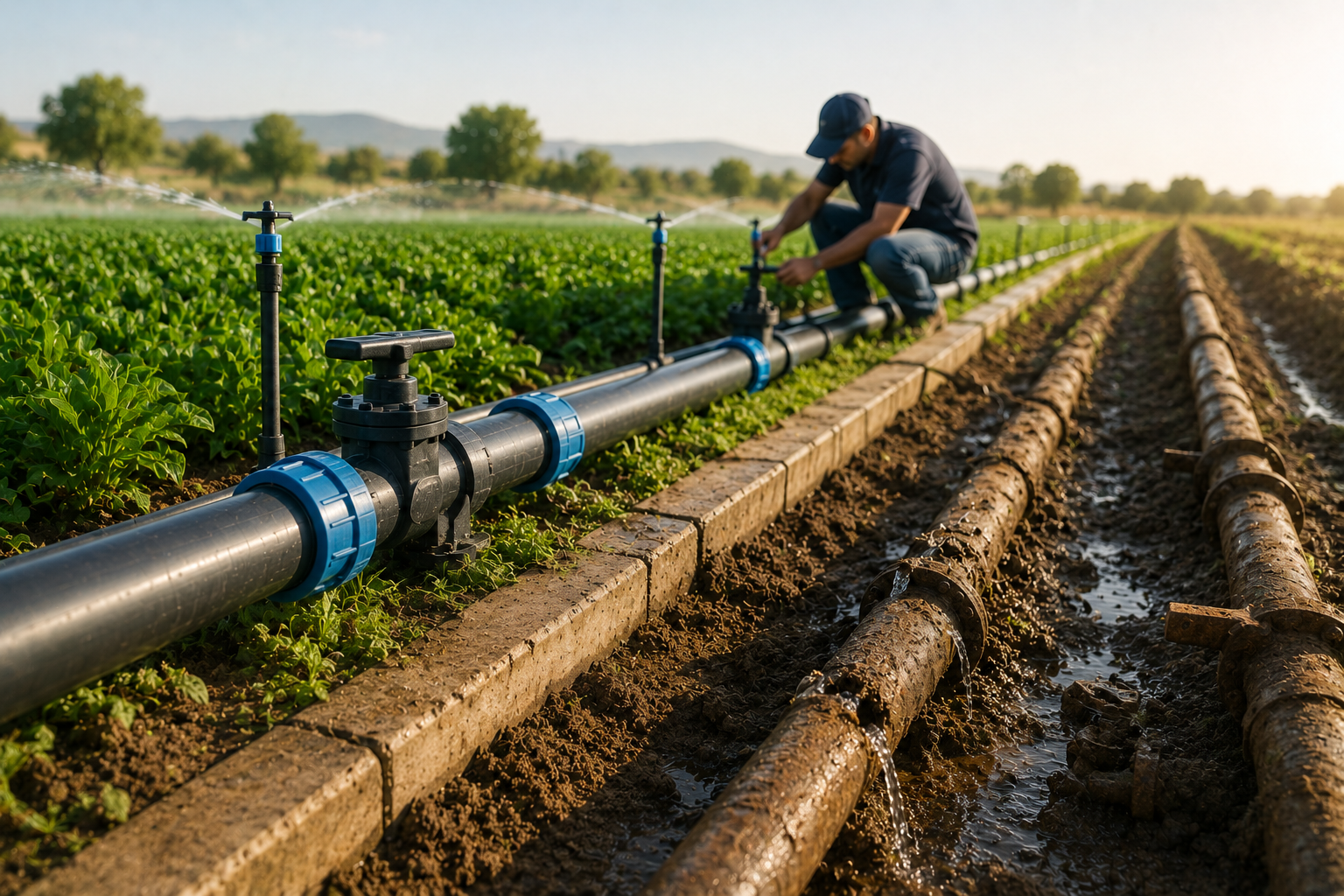
At Alhandasih.com, we recognize the transformative power of smart irrigation technologies. Our extensive range of irrigation hoses and supplies is designed to support these innovative systems, providing farmers with the tools they need to maximize water efficiency while minimizing waste. By embracing smart irrigation technology, farmers not only improve their yields but also contribute to the sustainability of our planet.
Types of Smart Irrigation Systems
Smart irrigation systems can be broadly classified into several categories, each tailored to meet the diverse needs of agricultural practices. Understanding these systems is essential for farmers looking to enhance their water use efficiency.
Sensor-Based Drip Irrigation
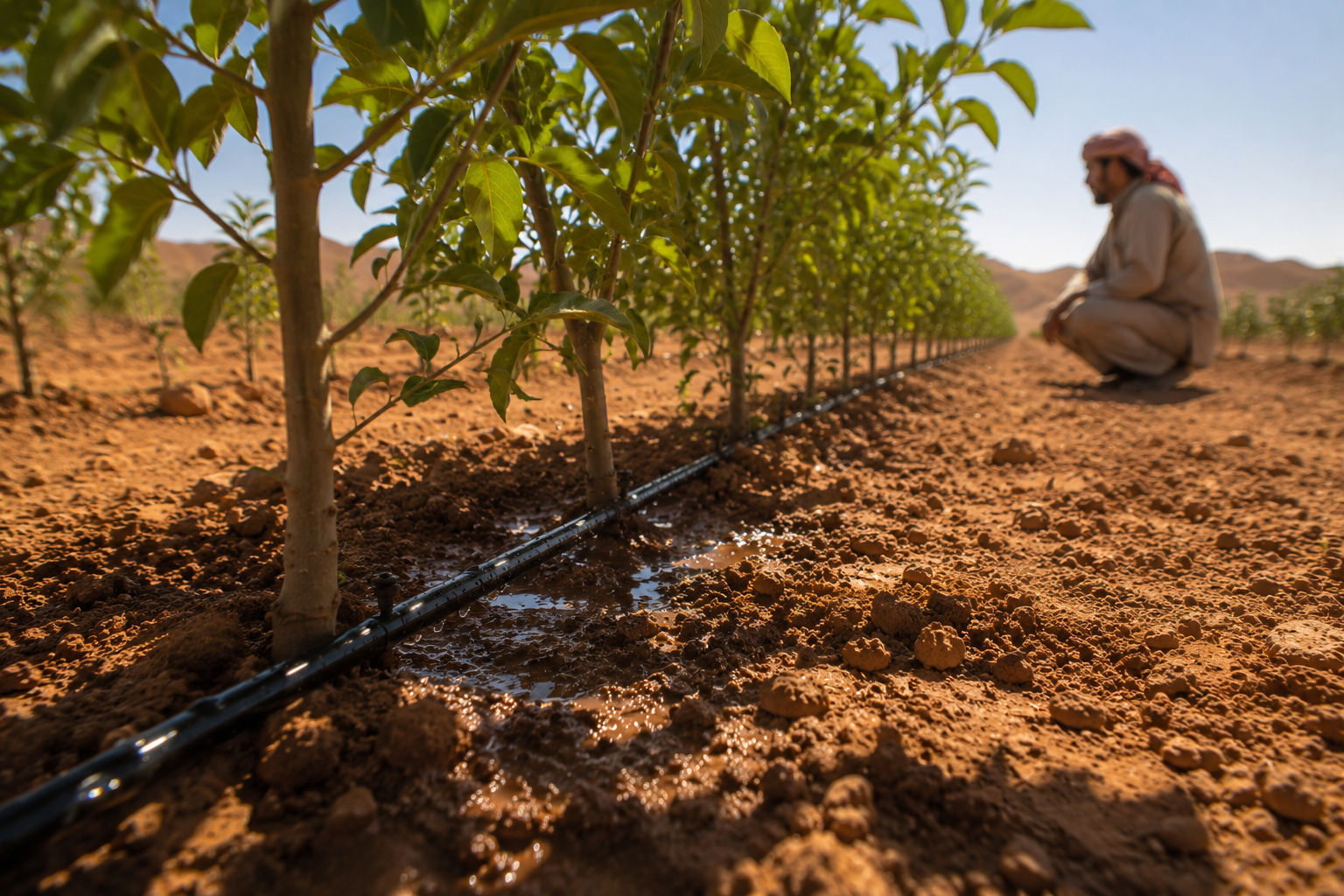
One of the most effective forms of smart irrigation is sensor-based drip irrigation. This system utilizes soil moisture sensors that monitor the moisture levels in the ground, allowing for precise control of water delivery to crops. By delivering water directly to the root zone, this method minimizes evaporation and runoff, ensuring that plants receive only the water they need.
- Water Efficiency: Reduces water usage by up to 50%.
- Increased Yields: Provides optimal moisture levels for crop growth.
- Reduced Labor Costs: Automated systems decrease the need for manual irrigation efforts.
Automated Irrigation Systems
Automated irrigation systems employ timers and controllers to manage watering schedules based on real-time data. These systems can be programmed to adjust irrigation schedules according to weather conditions, ensuring that crops receive adequate moisture without overwatering.
- Convenience: Farmers can set and forget, allowing them to focus on other essential tasks.
- Consistency: Ensures uniform watering across the field.
- Integration with Weather Data: Adjusts watering schedules based on rainfall forecasts, preventing unnecessary water use.
Importance of Data and Analytics
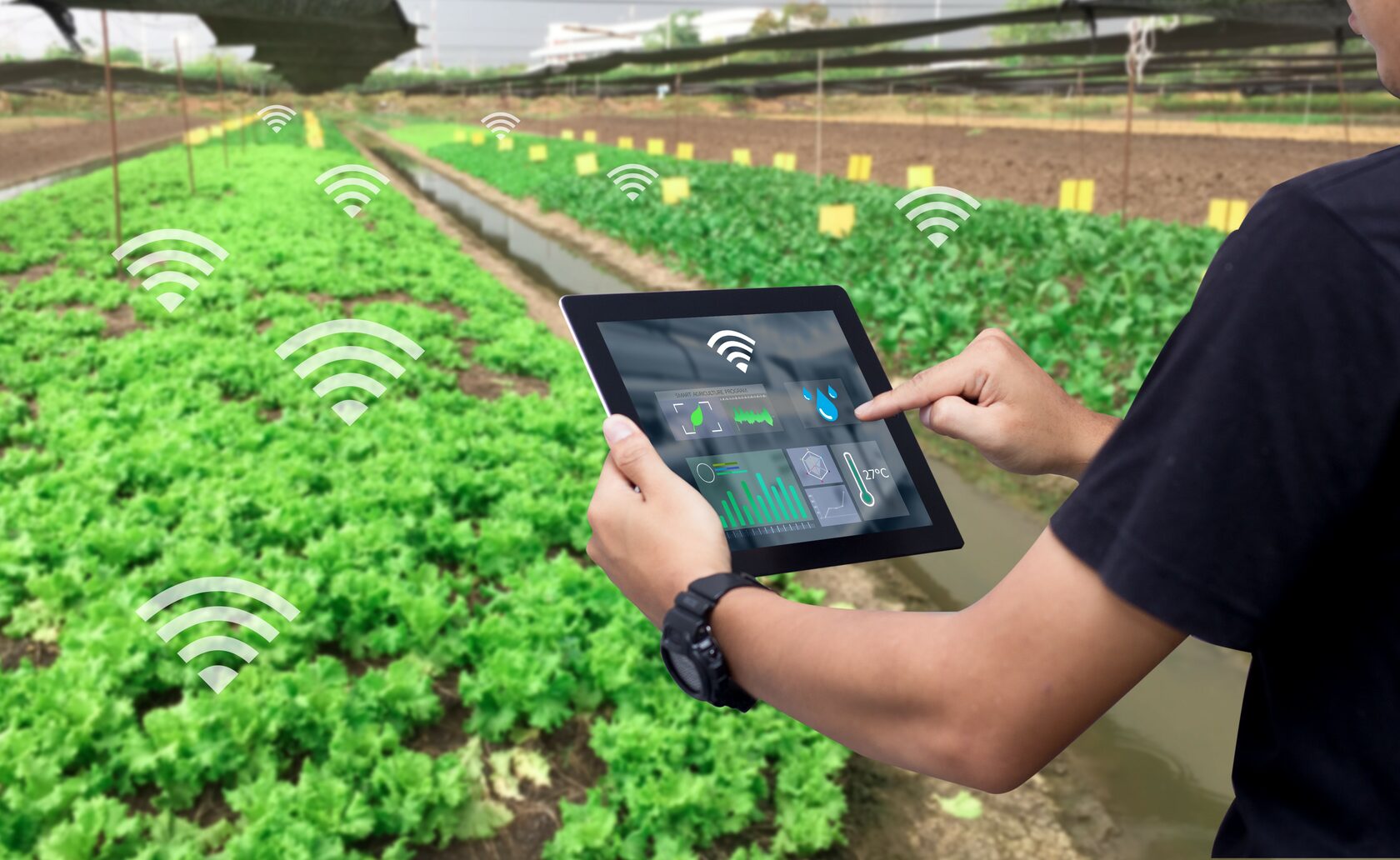
Data plays a critical role in the efficacy of smart irrigation technology. By leveraging data analytics, farmers can gain valuable insights into their irrigation practices, enabling them to make informed decisions.
Utilizing Data for Enhanced Irrigation Practices
Farmers can collect and analyze data from various sources, including soil moisture sensors, weather stations, and remote sensing technologies. This information allows for better planning and execution of irrigation strategies, ensuring that water is applied in the right amount at the right time.
Examples of Remote Sensing Technologies
- Satellite Imagery: Offers insights into crop health and soil moisture levels over large areas.
- Drones: Provide real-time data on field conditions, helping farmers identify areas that require immediate attention.
Benefits of Using Smart Irrigation Technology
The implementation of smart irrigation technology brings numerous benefits to farmers, the environment, and society at large.
Increased Productivity and Cost Savings
By optimizing water usage, smart irrigation systems lead to significant cost savings. Farmers can reduce their water bills while simultaneously increasing crop yields. The efficiency gained from these systems allows farmers to allocate resources more effectively, ensuring a more profitable operation.
Positive Impact on the Environment and Sustainability
Smart irrigation technology plays a vital role in promoting environmental sustainability. By reducing water waste, farmers can contribute to the conservation of precious water resources. Additionally, these systems help mitigate the negative impacts of agriculture on local ecosystems by preventing runoff and reducing the need for chemical fertilizers.
Practical Applications and Success Stories
Numerous farmers around the world have successfully implemented smart irrigation technologies, reaping the benefits of increased efficiency and sustainability.
Case Study: The Smith Family Farm
The Smith family, located in California’s Central Valley, faced severe water restrictions due to ongoing drought conditions. By transitioning to a sensor-based drip irrigation system, they were able to reduce their water consumption by 40% while simultaneously increasing their tomato yield by 25%. The data collected from soil moisture sensors enabled them to water their crops only when necessary, leading to substantial savings and a healthier crop.
Case Study: The Greenhouse Initiative
In a collaborative project involving multiple small-scale farmers in Kenya, a pilot program introduced automated irrigation systems integrated with weather forecasting tools. This initiative resulted in a 30% increase in maize production and a significant decrease in water usage. The success of this project highlights the potential of smart irrigation to enhance food security in regions facing water scarcity.
Challenges and Considerations
Despite the many advantages of smart irrigation technology, farmers may face challenges when implementing these systems.
Common Challenges
- Initial Costs: The upfront investment for smart irrigation systems can be a barrier for some farmers.
- Technical Expertise: Many farmers may require training to operate and maintain advanced systems effectively.
Tips for Overcoming Challenges
- Seek Financial Assistance: Look for grants or subsidies aimed at promoting sustainable agricultural practices.
- Invest in Training: Consider workshops or training sessions to gain a better understanding of smart irrigation technologies.
- Start Small: Begin with a pilot project before fully transitioning to smart irrigation, allowing you to assess its benefits and refine your approach.