Choosing the Right Irrigation System for Your Farm: A Comprehensive Guide
Understand the different types of irrigation systems and how to choose the best one for your needs.
Why is an Irrigation System Important?
An irrigation system is an essential part of modern agriculture. It ensures effective water delivery to crops, increasing their productivity and maintaining product quality. The right system improves water use efficiency and reduces waste, positively impacting production costs. Additionally, good irrigation helps enhance plant health and increases their resistance to diseases and pests.
Types of Irrigation Systems
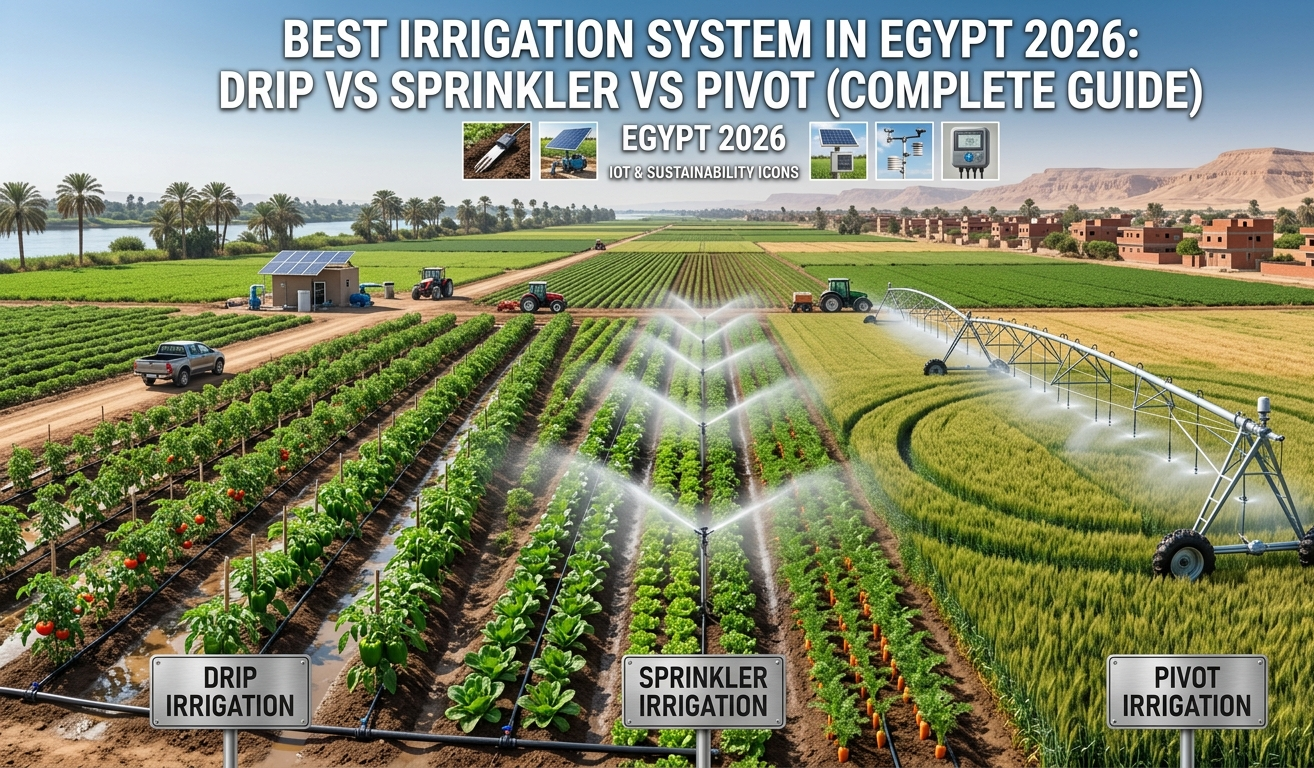
There are several irrigation systems available, each suited for specific conditions. Here are some of the most common systems:
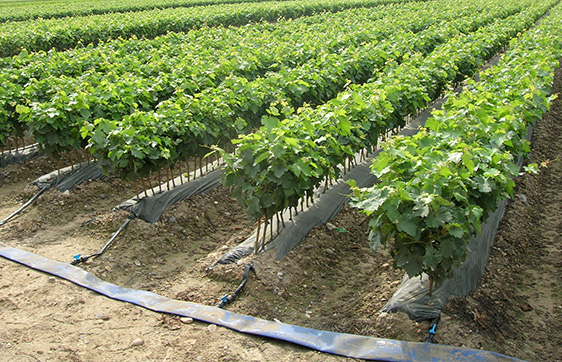
- Drip Irrigation: Uses special pipes to deliver water directly to the roots of plants. This system reduces water evaporation and ensures direct delivery to the plants.
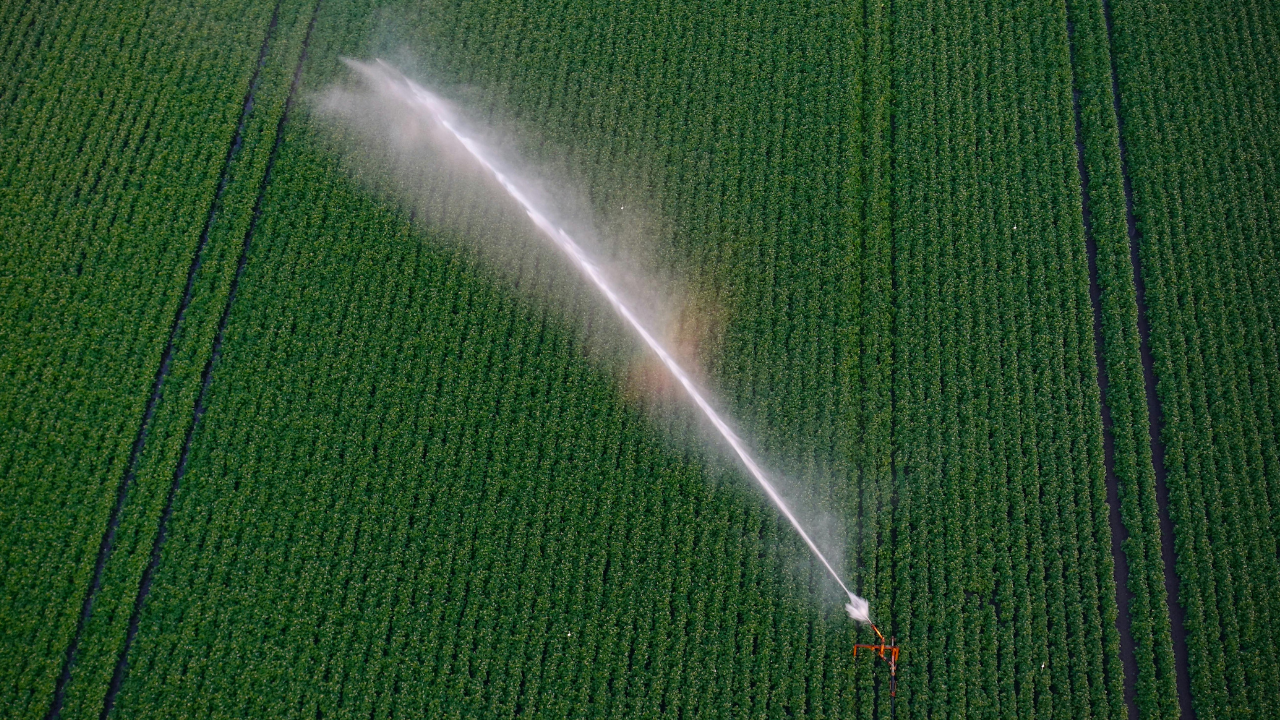
- Sprinkler Irrigation: Mimics rainfall by distributing water through sprinklers. This system is suitable for large areas and can be used on various terrains.
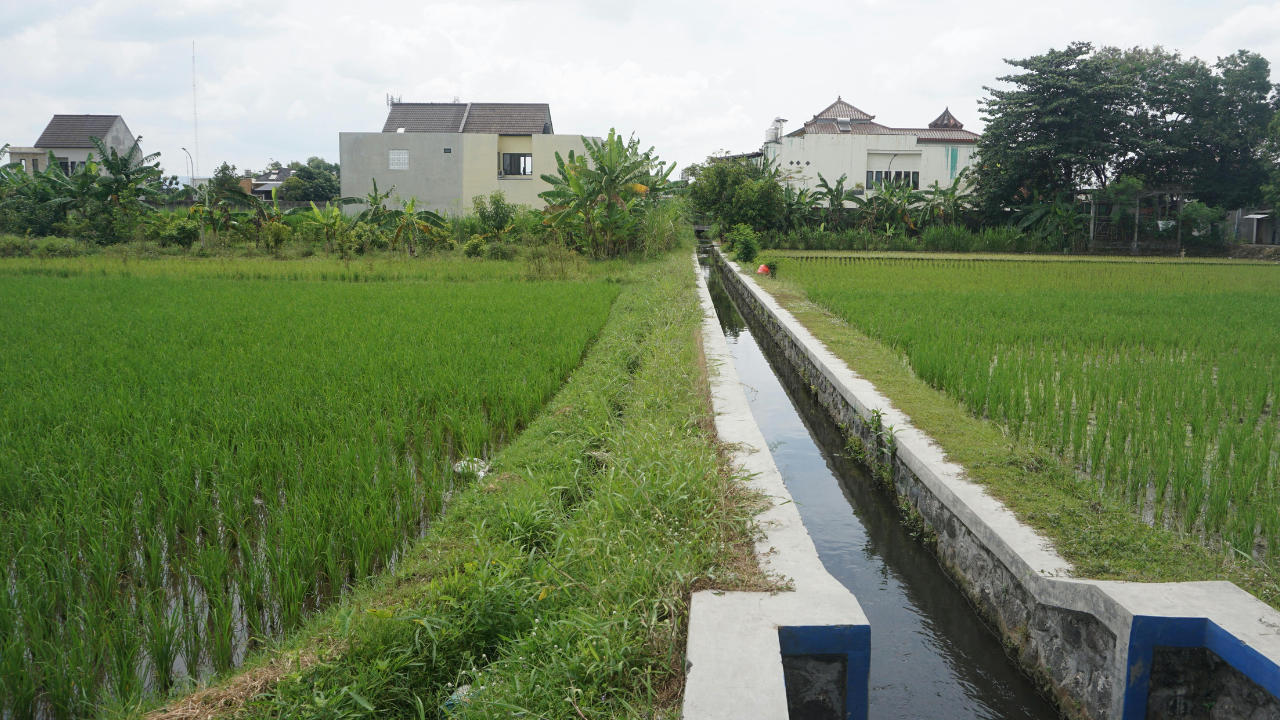
- Surface Irrigation: Relies on distributing water across the soil surface using channels or basins. This is one of the oldest methods but requires suitable terrain.
- Subsurface Irrigation: Distributes water below the soil surface, reducing evaporation and increasing efficiency.
How to Choose the Right System
When selecting the right irrigation system for your farm, several key factors should be considered:
- Crop Type: Different crops have varying water needs in terms of quantity and pattern. It’s essential to know if the crops require continuous moisture or dry periods.
- Topography: The land's topography can affect the effectiveness of the chosen system. For example, sloped lands may need different systems compared to flat lands.
- Water Availability: Consider the available water sources, such as wells or rivers, and the amount of water that can be used. If water is limited, a more efficient system may be necessary.
- Costs: Evaluate both the initial and operational costs of each system. While advanced systems may be costly upfront, they can save water costs in the long run.
- Environmental Impact: Consider the system’s impact on the surrounding environment, including soil and groundwater.
Practical Steps for Choosing an Irrigation System
Follow these steps to choose the most suitable system:
- Conduct a thorough analysis of the soil and water. Understanding soil characteristics helps in selecting the right irrigation system.
- Consult agricultural experts for technical advice. Experts can provide valuable insights based on their experience.
- Conduct a financial feasibility study to compare different systems. This can help you make an informed decision.
- Identify the type of equipment needed and potential suppliers. Be sure to research reliable vendors.
- Implement the system and periodically assess its effectiveness. Continuous monitoring helps improve performance.
Best Practices for Using Irrigation Systems
To maximize the benefits of your irrigation system, follow these practices:
- Regularly monitor soil moisture levels. This helps avoid over- or under-irrigation.
- Avoid over-irrigation to reduce water waste. Use smart control techniques to manage water usage.
- Invest in smart control technology to enhance water management. Smart systems can improve efficiency.
- Perform regular maintenance on the system to ensure its efficiency. Be sure to check pipes and pumps regularly.
Conclusion
Choosing the right irrigation system for your farm is a vital decision that requires careful consideration. By understanding crop needs and land conditions, you can make an informed choice that ensures improved productivity and water use efficiency. Invest in modern irrigation systems to achieve success in your farming. The right system not only increases productivity but also contributes to the sustainability of water resources, ensuring a better agricultural future.