
Introduction
Irrigation networks are vital to successful farming, directly influencing crop yields and sustainability. Yet, many farmers unknowingly commit common errors that lead to water waste and reduced productivity. Understanding these pitfalls and implementing effective strategies can enhance water efficiency and optimize irrigation practices. This article discusses prevalent mistakes made in irrigation management and offers practical solutions to improve systems and resources. By leveraging modern irrigation supplies, farmers can save water and enhance their agricultural productivity.
1. Ignoring Crop Water Requirements
Many farmers adopt a one-size-fits-all approach to irrigation, relying on fixed schedules without considering the specific water needs of each crop. Conduct thorough assessments of the water requirements for different crops based on their growth stages, climate conditions, and soil types. Utilize resources like evapotranspiration data to determine irrigation timing. Understanding that different crops have unique water needs helps prevent over-irrigation or under-irrigation, leading to healthier plants and higher yields.
2. Inefficient Network Design
Simplistic designs often fail to account for land topography and soil variability, leading to uneven water distribution. Design irrigation networks that adapt to the landscape, ensuring that all areas receive adequate water. Implement zone irrigation systems that cater to different parts of the farm with varying needs, ensuring every crop receives the right amount of water.
3. Neglecting System Maintenance
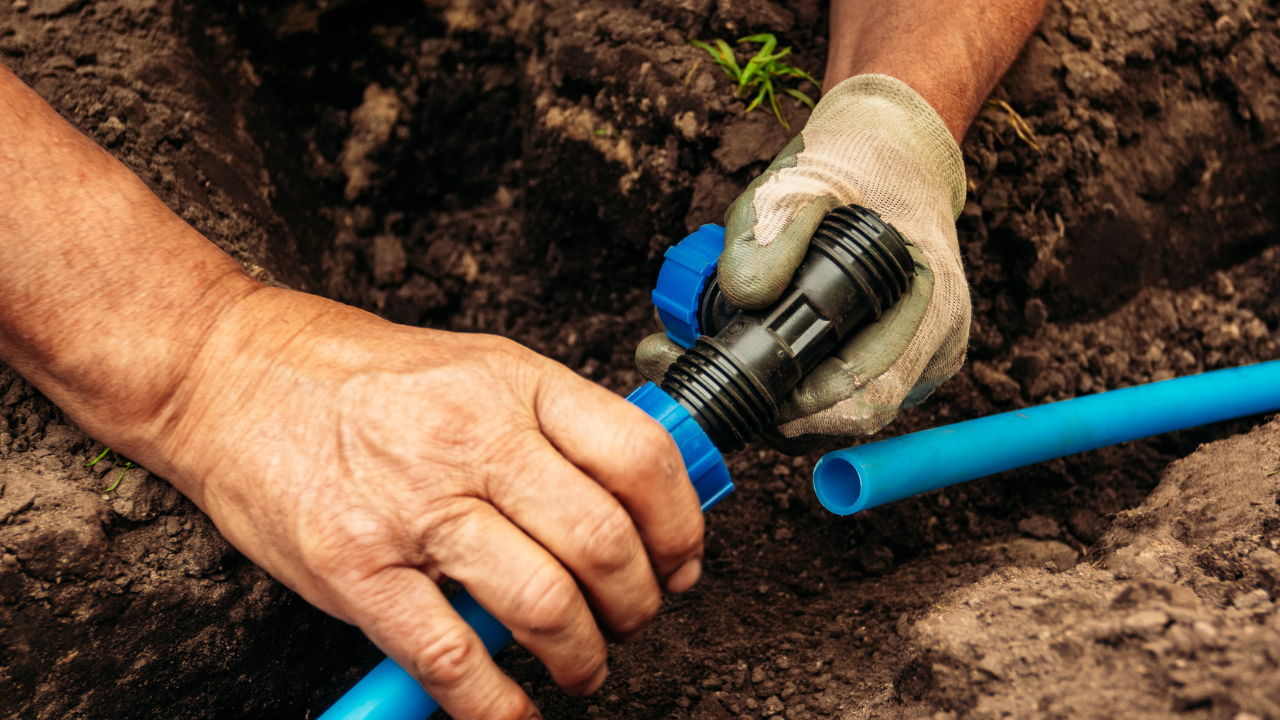
Regular inspections and maintenance are often overlooked, leading to leaks, clogs, and eventual equipment failure. Establish a maintenance schedule to regularly check for leaks, clogs, or damaged components. Routine maintenance not only extends the lifespan of the system but also prevents inefficiencies in water use.
4. Not Utilizing Modern Irrigation Technologies
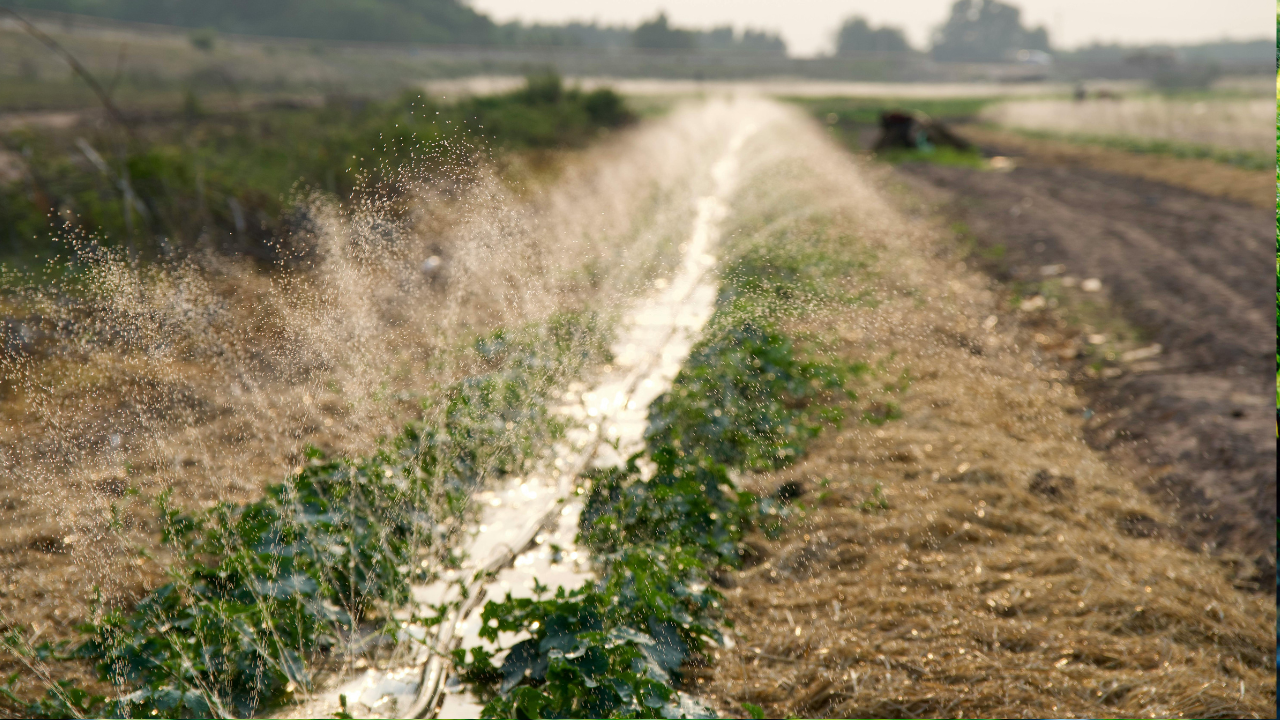
Sticking to traditional irrigation methods can limit efficiency and productivity. Invest in modern technologies such as drip irrigation and advanced sprinkler systems that deliver water precisely where it's needed, reducing evaporation and runoff. These technologies are designed to improve water efficiency significantly.
5. Over-Irrigating or Under-Irrigating
Many farmers struggle with finding the right balance, leading to stress on crops and diminished yields. Use soil moisture sensors to monitor moisture levels and inform your irrigation schedule. By applying the right amount of water at the right time, you can maintain optimal growing conditions.
6. Ignoring Water Quality
Farmers often overlook the quality of irrigation water, which can lead to nutrient imbalances and crop damage. Regularly test your irrigation water for pH, salinity, and contaminants. Implement water treatment solutions as necessary to ensure your water is suitable for irrigation.
7. Failing to Adapt to Climate Changes
Not adjusting irrigation practices in response to changing weather patterns can lead to inefficiencies. Stay informed about local climate trends and adjust irrigation schedules accordingly. Using climate data can help optimize irrigation practices, improving resilience to droughts or heavy rainfall.
8. Not Training Staff
A lack of training for staff operating irrigation systems can result in improper practices and inefficiencies. Provide comprehensive training for all personnel involved in irrigation management. Educating them on proper system operation and maintenance is essential for optimal water usage.
9. Underestimating the Value of Data
Some farmers neglect to utilize data from previous seasons, leading to repeated mistakes. Keep detailed records of water usage, crop performance, and weather conditions. Analyze this data to make informed adjustments to irrigation practices.
10. Lack of Crop Rotation and Soil Health Practices
Ignoring crop rotation and soil health can lead to nutrient depletion and increased water usage. Implement crop rotation practices and invest in soil health initiatives to maintain nutrient levels and enhance soil moisture retention. Healthy soil supports better water absorption, reducing the need for excessive irrigation.
Conclusion
By avoiding these common mistakes and implementing the recommended practices, farmers can significantly enhance water efficiency in their irrigation systems and improve crop yields. Effective water management is essential for sustainable and profitable farming.
Additional Tips
- Utilize mobile applications for irrigation management to track moisture levels and schedule irrigation effectively.
- Consult agricultural experts for tailored advice on irrigation systems and practices.
- Explore new technologies regularly to stay updated on the latest advancements in irrigation.