1. Importance of Regular Maintenance
Enhancing System Efficiency
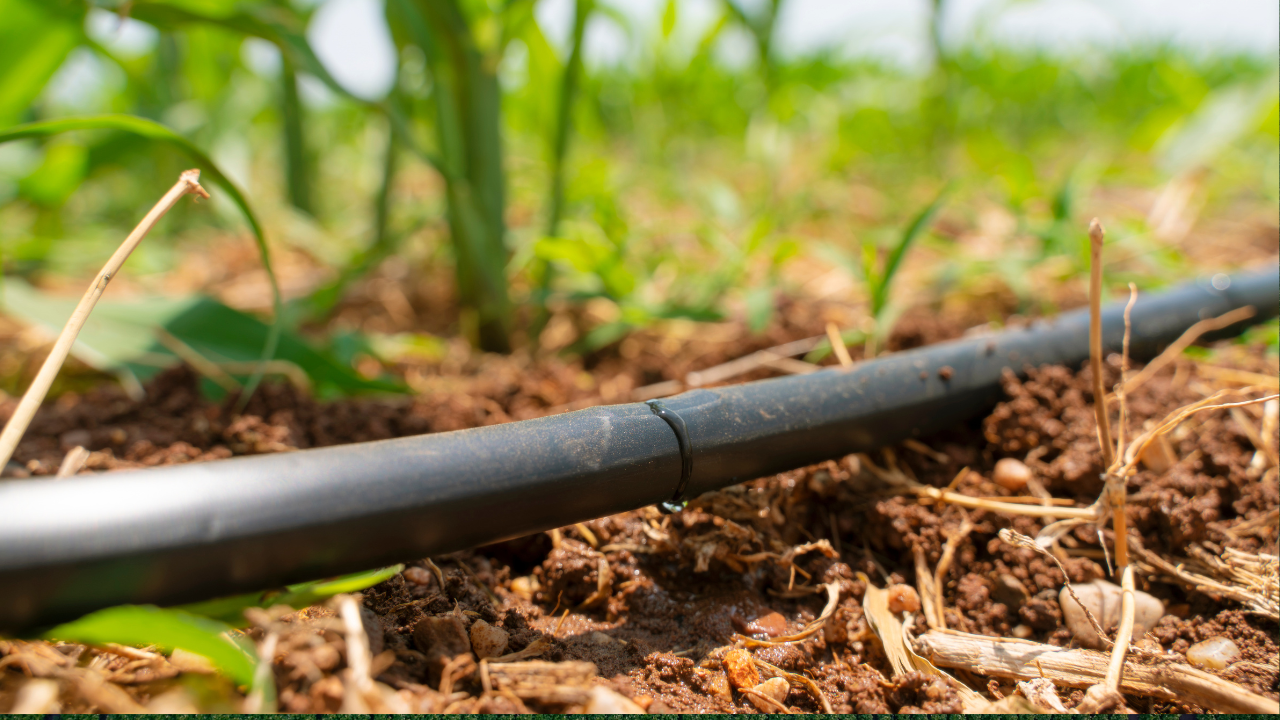
Regular maintenance of irrigation systems directly affects their efficiency. Well-maintained systems ensure that water is distributed evenly across the fields, which is vital for plant health.
Economic Advantages
Maintaining irrigation systems can lead to significant cost savings. By preventing breakdowns and ensuring efficient water use, farmers can reduce operational costs.
2. Inspecting Pipes and Fittings
Conducting Routine Inspections
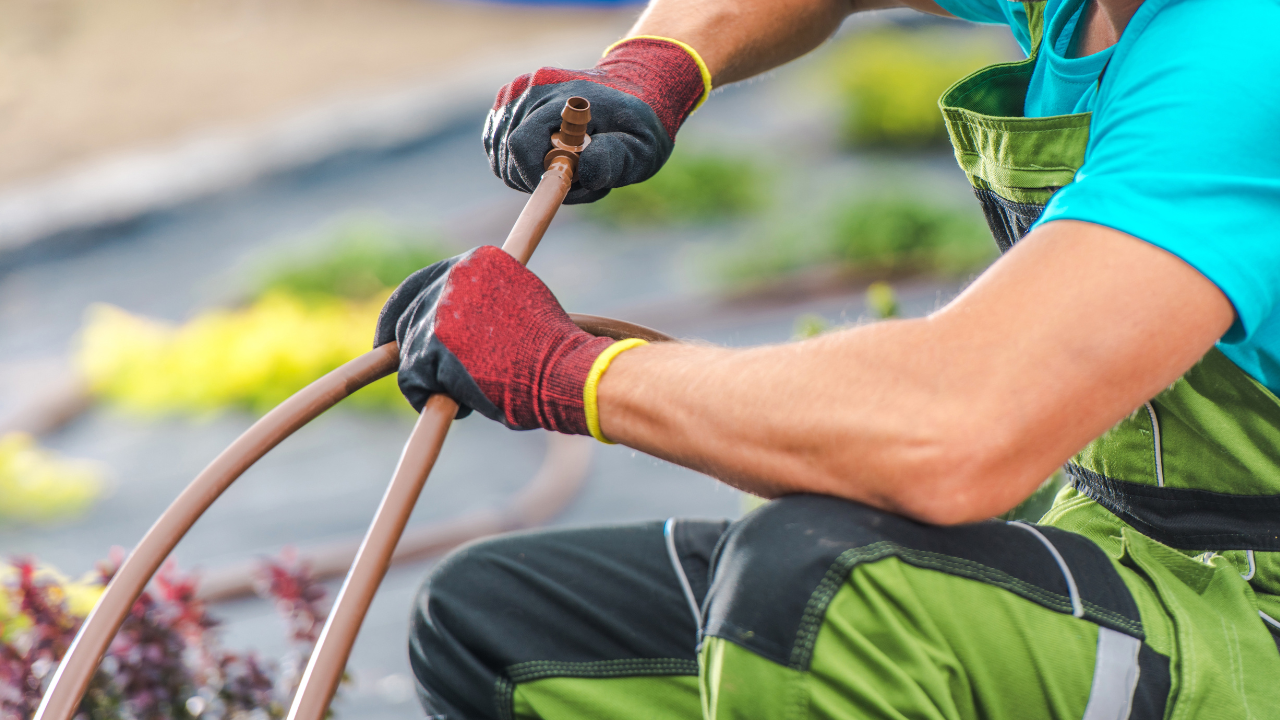
A comprehensive routine inspection of pipes and fittings is essential. Farmers should create a checklist to systematically examine every component of their irrigation system.
Recognizing Signs of Wear
Farmers should look for signs of damage, such as cracks, leaks, or corrosion in pipes and fittings. Noticing these issues early can prevent larger problems and costly repairs.
3. Regular Filter Cleaning
Effective Cleaning Procedures
Filters play a vital role in maintaining water quality in irrigation systems. Farmers should establish a routine for cleaning filters to prevent clogging.
Impact on System Performance
Clean filters ensure that water flows freely, preventing blockages that can lead to uneven watering. Maintaining clean filters supports healthy crop growth.
4. Pressure Testing for Balanced Water Distribution
Performing Pressure Tests
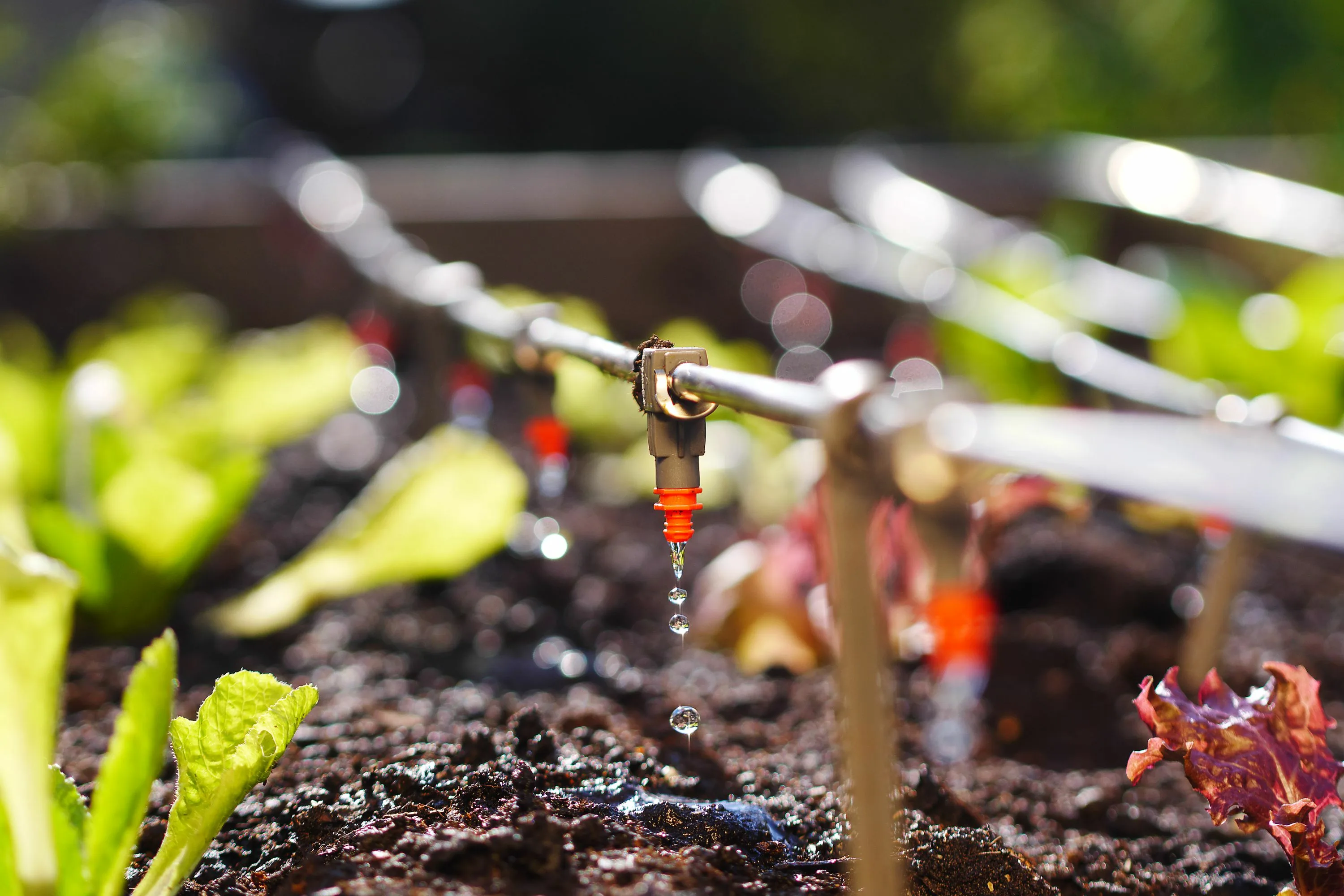
Pressure testing is an effective method to ensure that water is distributed evenly throughout the irrigation system. Farmers should regularly check water pressure at different points.
Importance of Balanced Distribution
Balanced water distribution is crucial for optimal crop growth. Regular pressure testing allows farmers to maintain consistency across their fields.
5. Leveraging Technology for Maintenance
Utilizing Monitoring Apps
In today's tech-driven world, monitoring irrigation systems has never been easier. Smartphone applications can track system performance and help manage water usage efficiently.
Soil Moisture and Water Pressure Sensors
Investing in soil moisture and water pressure sensors can provide real-time insights into the needs of crops. Automating irrigation based on these readings optimizes water usage.
6. Essential Tools for Maintenance
Must-Have Maintenance Tools
Every farmer should be equipped with essential tools for irrigation system upkeep, including wrenches, pipe cutters, pressure gauges, and cleaning brushes.
Choosing Quality Equipment
When selecting maintenance tools, prioritize quality and durability. Investing in reliable equipment can save time and money.
7. Common Issues and Prevention
Identifying Key Problems
Irrigation systems can face various challenges, including leaks, clogs, and uneven distribution. To prevent these issues, regular inspections are crucial.
Training for Better Maintenance
Proper training for workers and farmers is essential. Educating staff on identifying potential problems can significantly improve system performance.
8. Creating a Maintenance Schedule
Developing an Annual Maintenance Plan
An annual maintenance plan is crucial for keeping irrigation systems in top condition. This plan should outline regular tasks throughout the year.
Timing Maintenance Activities
Scheduling maintenance activities based on the farming cycle is essential to avoid disrupting critical operations.
9. Real-World Success Stories
Learning from Other Farmers
Many farmers have experienced remarkable improvements in their yields through effective irrigation maintenance. Good practices lead to better productivity and profitability.
10. Investing in Quality Irrigation Products
Importance of High-Quality Supplies
Investing in quality irrigation products is crucial for maintaining an effective system. Reliable components can significantly reduce maintenance needs.
Encouragement to Explore Options
Farmers are encouraged to explore the wide range of irrigation supplies available at Alhandasih.com for optimal performance and healthier crops.